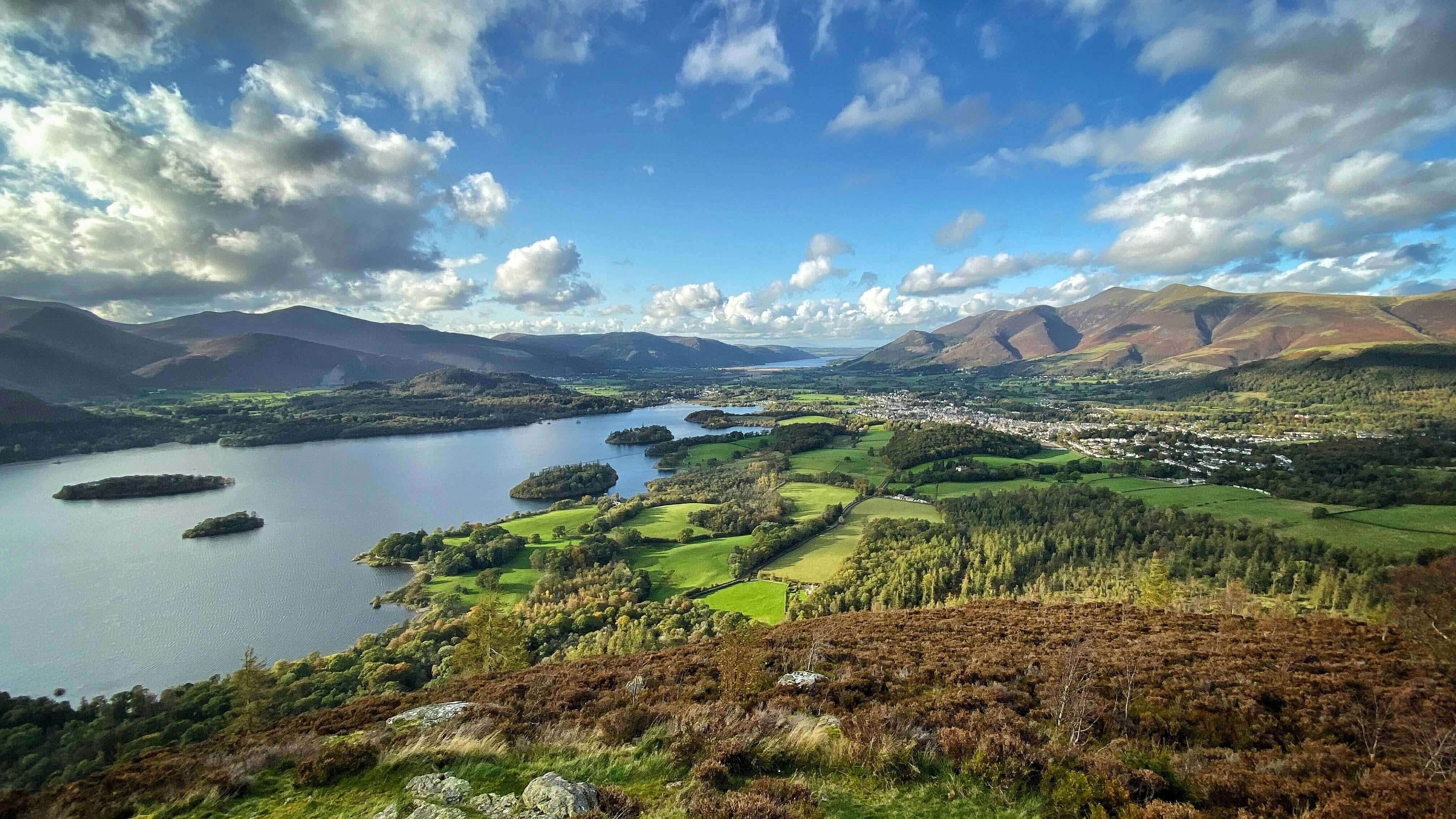
Cumbria, England · A world apart
The Lake
District.
We extend our deepest gratitude to our incredible sponsors:

Fresh air.
Room to wander.
Big views, quiet shores and villages you’ll want to linger in. There’s more than one way to fall for the Lake District.
We’re your independent guide to finding yours. Pick a place to stay, find a walk that suits you, and leave time for a proper pub afterwards.
First visit? Start hereFind a place to call your own.
Lakeside mornings or a village tucked beneath the fells. Choose your base and take it from there.
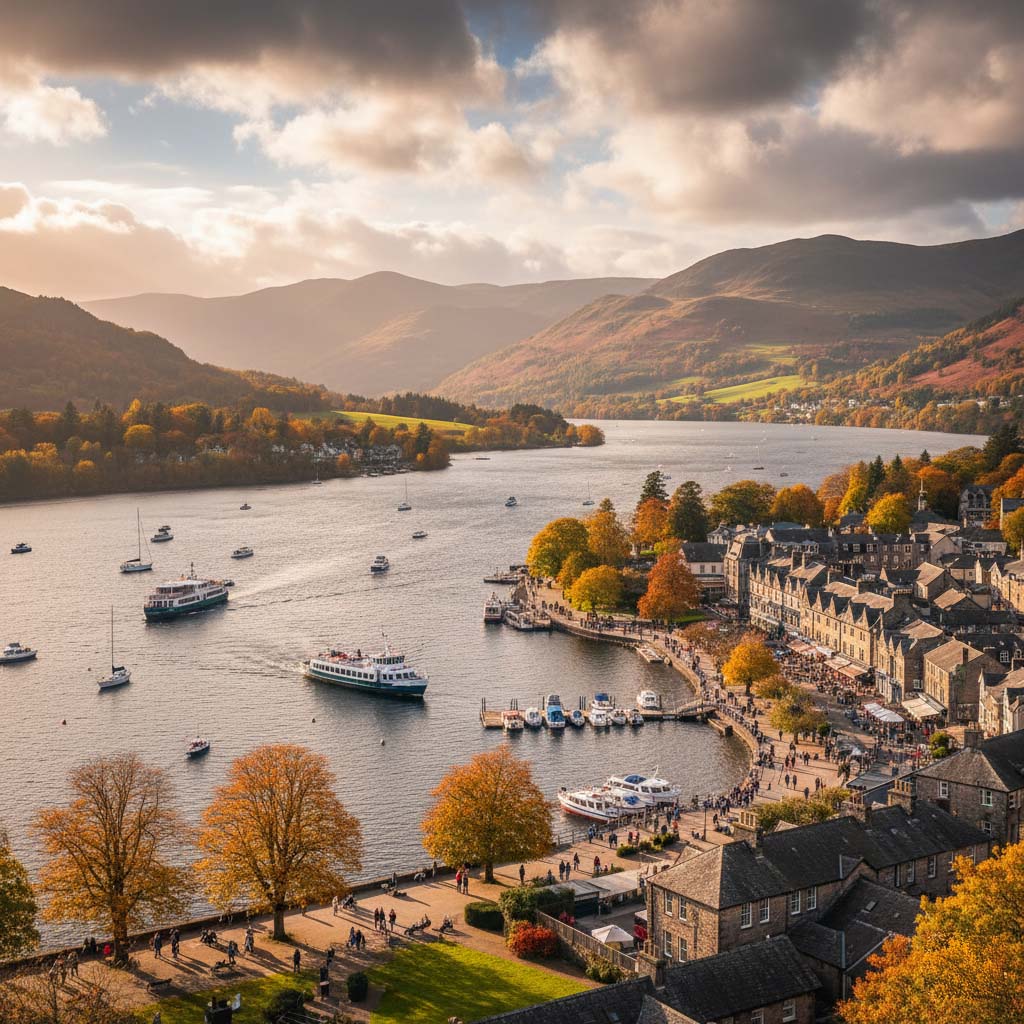
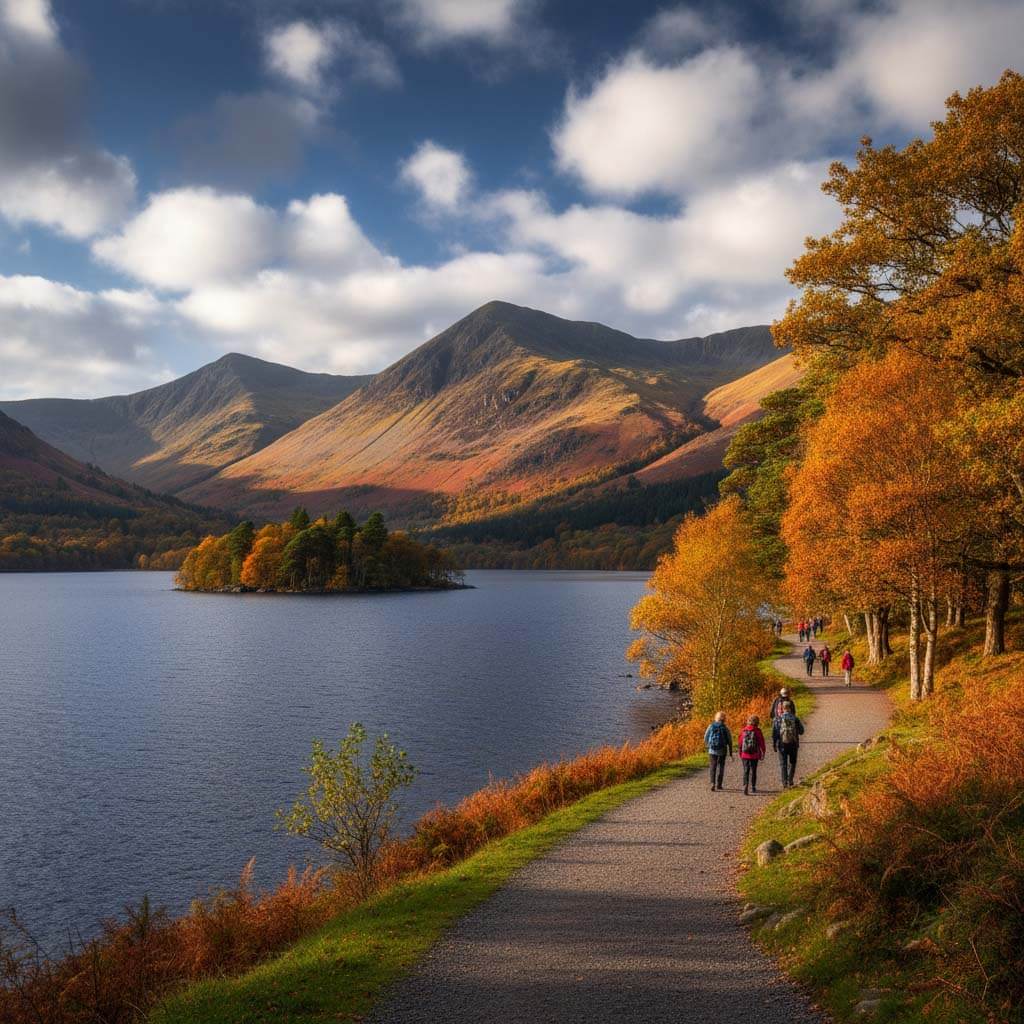
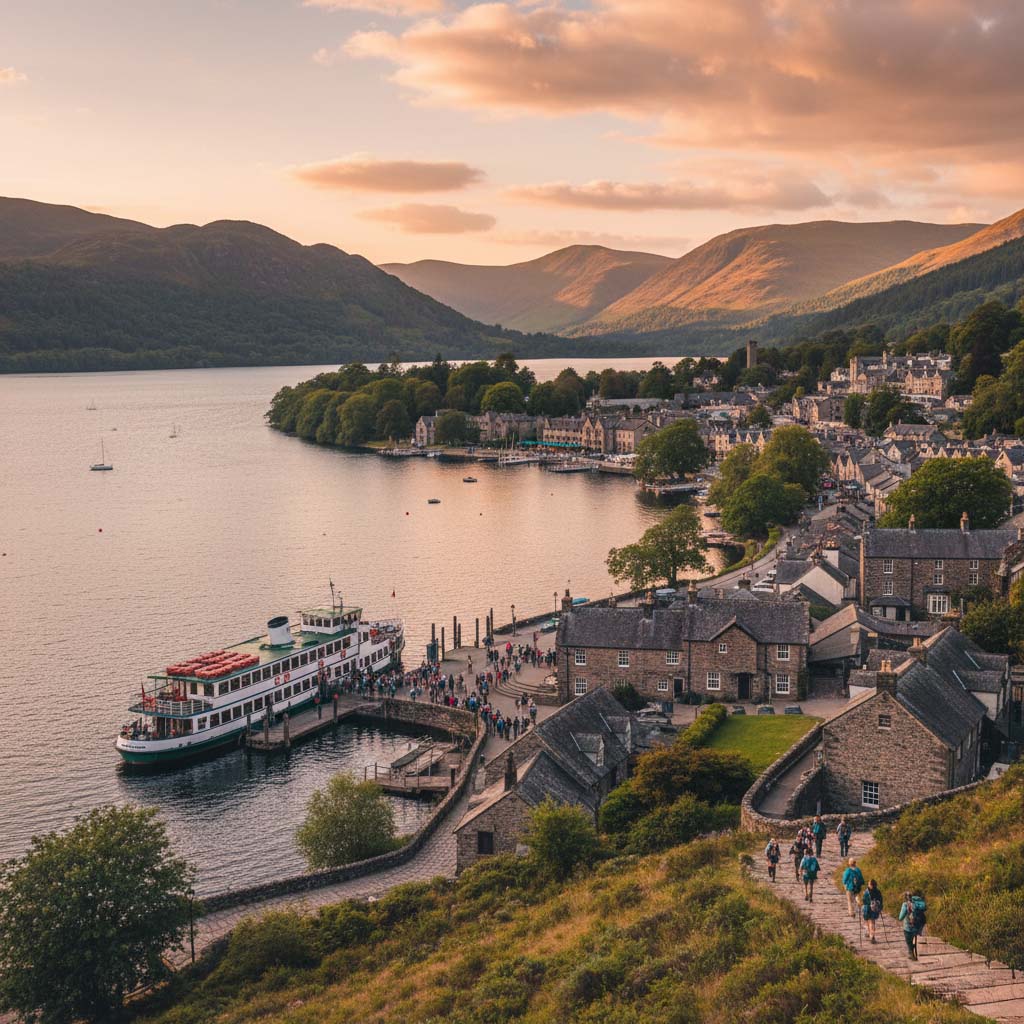
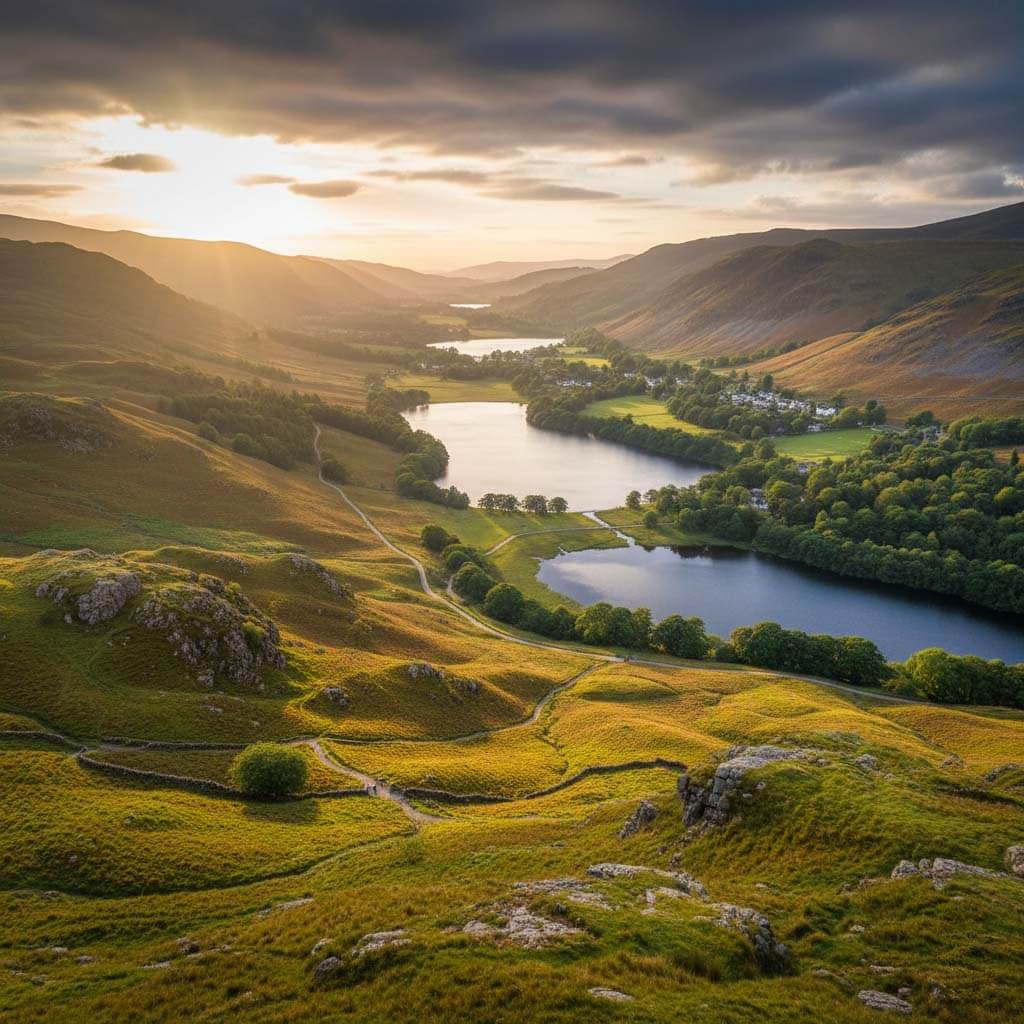
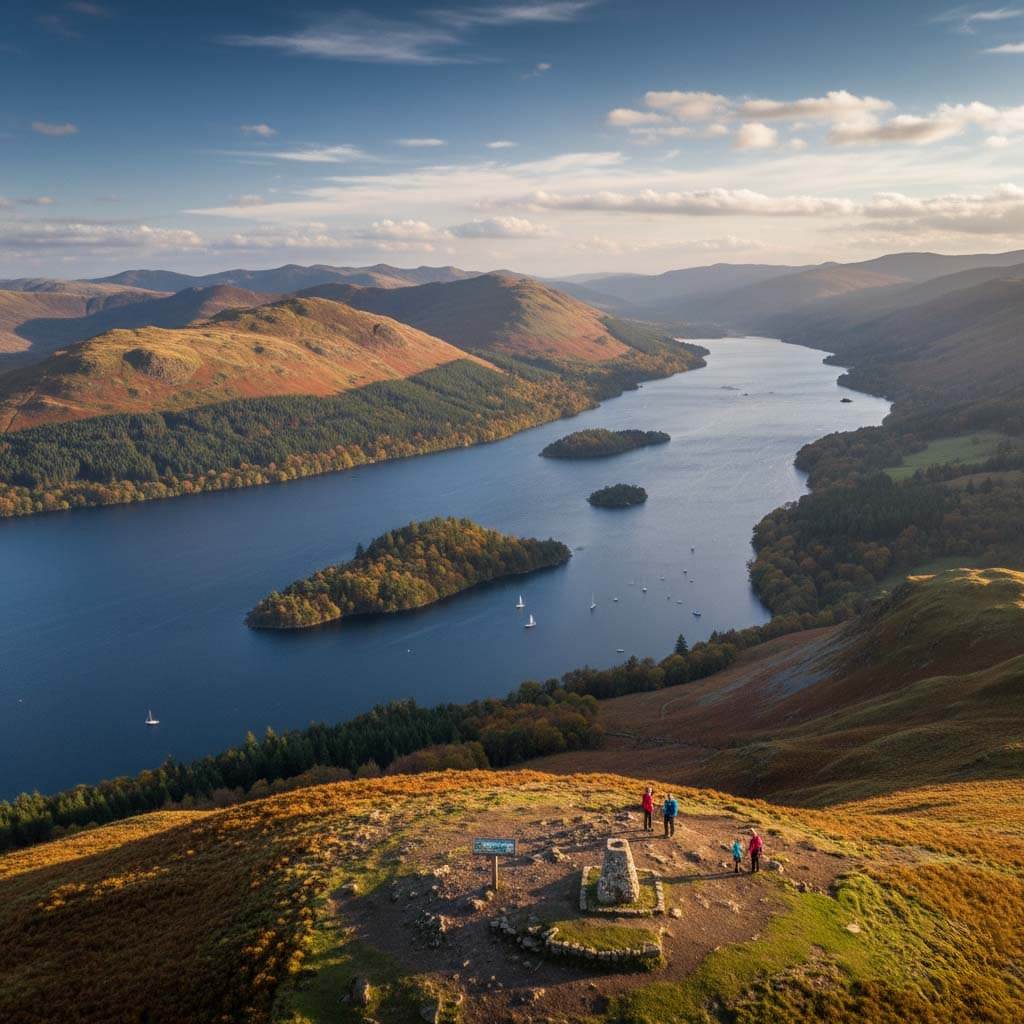
Slow down. You’re by the water.
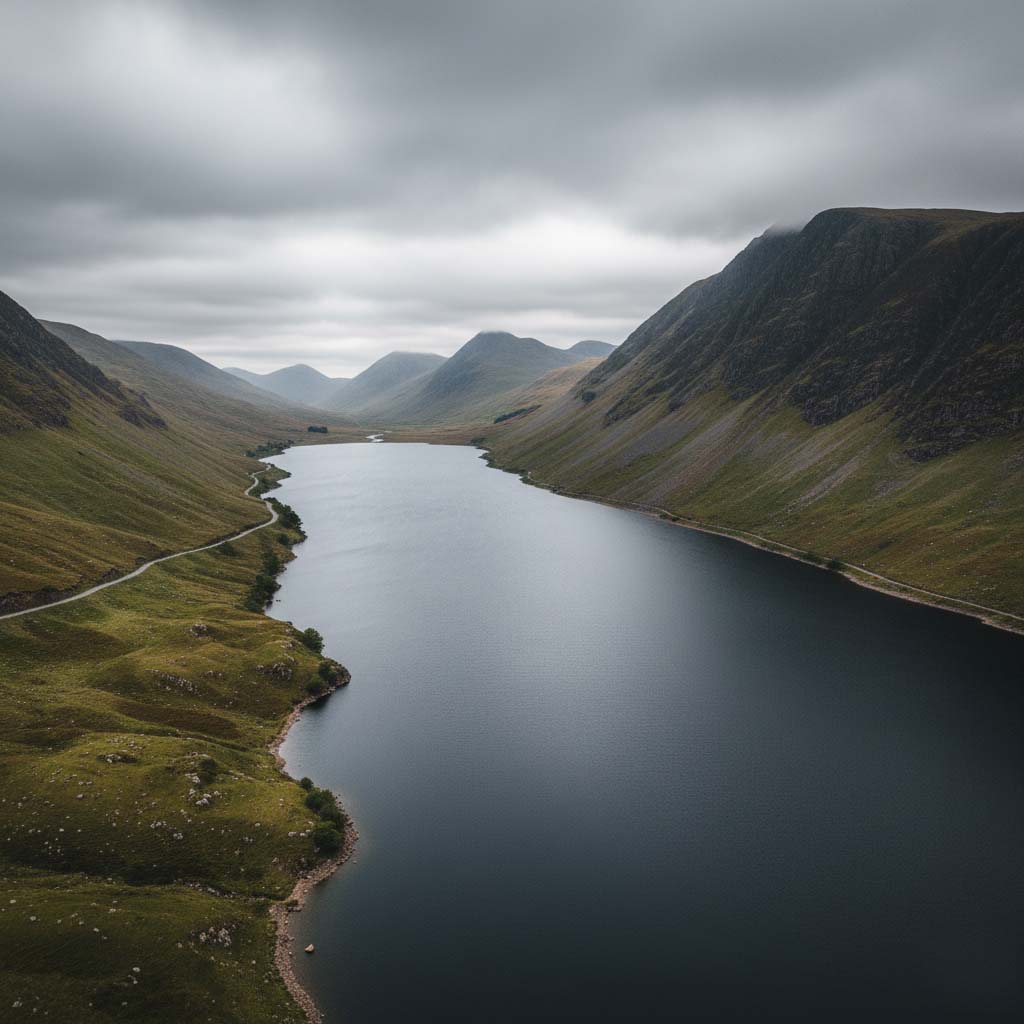
A cruise across Windermere. A quiet moment beside Wastwater. Find your kind of lakeside day.
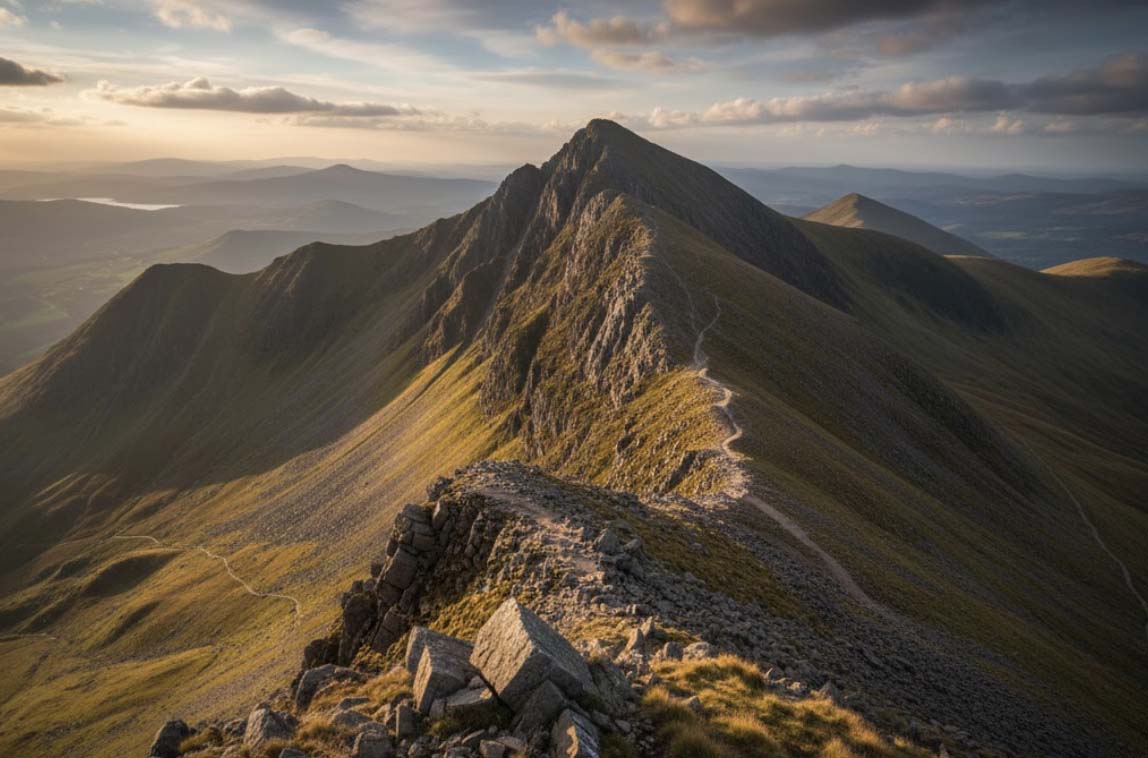
Views worth walking for.
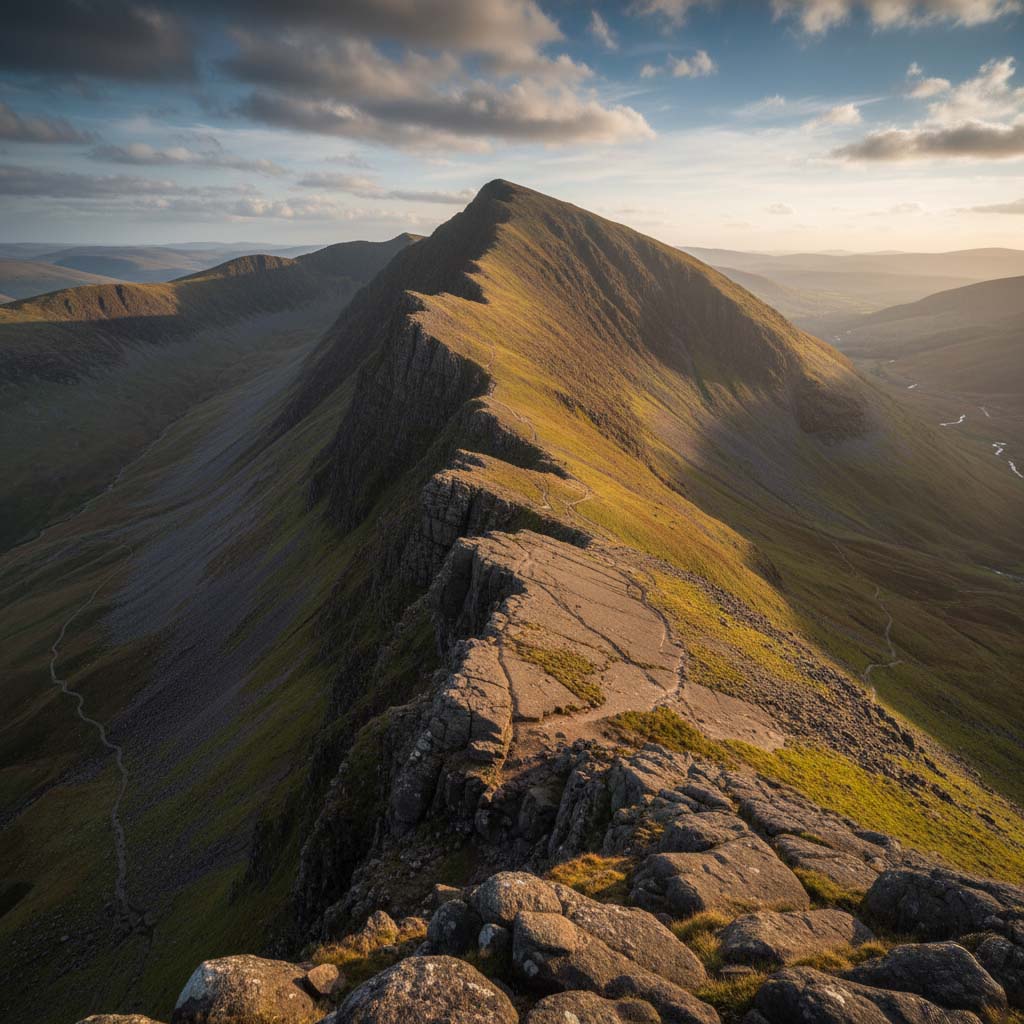
Two big mountain days for experienced walkers. For gentler routes, explore the full walks guide.
What do you want to do?
Every path, peak and lake leads somewhere worth going. Pick a starting point.
Ten ways to make it memorable.
From a first fell to a lakeside cruise: a little inspiration for your next day out.
-
01 Climb Scafell Pike
View Scafell Pike -
02 Cruise on Lake Windermere
View Windermere cruises -
03 Visit Beatrix Potter’s Hill Top
View Beatrix Potter -
04 Explore Wordsworth’s Grasmere
View Grasmere -
05 Tackle Striding Edge on Helvellyn
View Striding Edge -
06 Walk up Catbells
View Catbells -
07 Dine at L’Enclume
View L’Enclume -
08 Wonder at Castlerigg Stone Circle
View Castlerigg -
09 Sail on Ullswater Steamers
View Ullswater -
10 Discover Coniston & the Old Man
View Coniston
A good trip starts here.
Everything you need for a Lake District getaway, in three steps.
Accommodation
From cosy B&Bs and luxury hotels to holiday cottages and camping pods.
View places to stayGetting here
Travel to and around the Lake District by train, bus, boat or car.
View travel guideWeather & best time
May to September for the best weather, autumn for colour. Always pack waterproofs.
View weather guide- Sunrise
- 7:04am
- Sunset
- 4:47pm
- Daylight
- 9h 43m
- Season
- Autumn
Spectacular colours, but days shorten fast – plan to be off the high fells before dusk. Check the Lake District weather guide and our free walking tools before you set out.
Getting to & around the Lake District
Leave the car at home if you can — train, bus and boat are often the better experience.
By train
West Coast Main Line to Oxenholme Lake District (2.5 hours from London), then the branch line to Windermere. Penrith serves Keswick and the northern Lakes.
By bus
Stagecoach 555 connects all the major towns, with tickets and timetables available from the operator. Open-top tourist buses run in summer from Bowness and Keswick.
By boat
Windermere Lake Cruises links popular stops around the lake. Also Ullswater Steamers and Keswick Launch on Derwentwater.
By car
The M6 runs along the eastern edge. Exit J36 for Windermere, J40 for Penrith and Keswick. Expect narrow roads and limited parking in peak season.
Lake District visitor information
The practical detail: where it is, how to reach it, what to climb and where to eat.
Visitor essentials: location, travel, food & walking
Location & area
Region: Cumbria, North West England.
The National Park covers 2,362 km² (912 sq mi), making it England’s largest. It contains 16 main lakes, over 150 high peaks and around 40,000 residents.
Main towns: Windermere, Keswick, Ambleside, Grasmere, Bowness-on-Windermere, Coniston, Kendal.
Getting here
By train: West Coast Main Line to Oxenholme Lake District (2.5 hours from London), then the branch line to Windermere. Penrith serves the northern Lakes.
By bus: The Stagecoach 555 connects Windermere, Ambleside, Grasmere and Keswick. All fares capped at £3 per journey.
Tip: direct trains run from Manchester Airport to Windermere — ideal for international visitors.
The lakes
Despite the name, there’s technically only one official ‘lake’ — Bassenthwaite Lake. The others are ‘meres’ (like Windermere) or ‘waters’ (like Derwentwater).
Largest: Windermere, 10.5 miles long. Deepest: Wastwater, 74m.
Lake cruises operate on Windermere, Ullswater, Derwentwater and Coniston Water year-round.
Mountains & walks
Home to England’s highest peak, Scafell Pike (978m), and over 200 fells documented by Alfred Wainwright in his guidebooks.
Popular walks: Helvellyn via Striding Edge, Catbells, Haystacks, Loughrigg Fell and the Old Man of Coniston.
Easy walks: Buttermere circular, Tarn Hows, Grasmere to Rydal Water.
Food & dining
Cumbria has the most Michelin stars outside London. L’Enclume in Cartmel holds three — the only three-star restaurant in northern England.
Local specialities: Cumberland sausage, Herdwick lamb, Grasmere Gingerbread and sticky toffee pudding (invented here).
Don’t miss the country pubs — perfect after a day on the fells.
Literary heritage
William Wordsworth: Dove Cottage in Grasmere, where he wrote ‘Daffodils’, and Rydal Mount, his family home.
Beatrix Potter: Hill Top farm in Near Sawrey inspired Peter Rabbit. The World of Beatrix Potter is in Bowness.
John Ruskin: Brantwood on Coniston Water, home of the influential Victorian thinker.
A few things worth knowing.
Practical advice that saves time and money, plus straight answers to the questions visitors ask most.
Beat the crowds
Arrive before 10am for parking at popular fells and honeypot villages. Bowness and Windermere are busiest — for a quieter Lake District, head to the western valleys like Wasdale, Eskdale and Ennerdale, or visit midweek outside school holidays.
Weather changes fast
Conditions on the fells can be completely different from the valleys — sunshine below can be cloud, wind and rain on the tops. Always check the fell-top forecast before a mountain day, and pack waterproofs whatever the forecast says.
The Lakes on a budget
Many fell walks are free to enjoy, and gems like Castlerigg Stone Circle, Orrest Head and the lakeshores cost nothing. Pack a picnic, ride the 555 through the heart of the Lakes, and you have a world-class day out for pounds.
Can I visit the Lake District without a car?
How many days do I need in the Lake District?
When is the best time to visit the Lake District?
Is the Lake District dog-friendly?
Can beginners climb Scafell Pike?
How many lakes are there in the Lake District?
A cultural landscape of global significance
In July 2017 the Lake District joined the ranks of the Taj Mahal and the Grand Canyon as a UNESCO World Heritage Site. The inscription recognises not just its natural beauty, but the cultural landscape shaped by over 1,000 years of agro-pastoral farming. Herdwick sheep, stone-walled fields and traditional farmsteads combine with the scenery that sparked the Romantic movement and the birth of global conservation.
A little help for the fells.
Plan your walk, pack your kit and keep track of your adventures with our free walking tools. Ready to use in your browser, with no account needed.
- Free to use
- No account needed
- Works offline once loaded
Walking Compass
Check your heading and view GPS coordinates and your OS grid reference.
Open the compassDaylight & Sunset Timer
See sunrise and sunset times, or check the daylight for a future walk.
Check the daylightWainwright Bagging Tracker
Keep a record of the Wainwright fells you climb and watch your progress grow.
Track your fellsWalk Timing Calculator
Estimate walking time from your route distance, ascent and walking pace.
Time your walkFell Walking Packing List
Create a tickable kit list for your season, walk type and length of trip.
Build your kit listWalk Route Card Builder
Bring your route together, leg by leg, with estimated timings and a printable card.
Build a route cardWhere is the Lake District?
In Cumbria, North West England — around 4 to 5 hours from London by car, or 2.5 hours by train to Oxenholme.
Load the interactive map
We only load Google Maps when you ask for it. It keeps this page fast and uses less of your data.
Share the Lake District
Love the Lakes? Add one of our banners to your website, blog or social media, or share the site with a QR code.
Supported by


With thanks to our sponsor: FreeSamples.co.uk